
The Six Trials of Jesus: A Comprehensive Overview
Exploring the unjust trials of Jesus, documented in biblical accounts and scholarly PDFs, reveals a pattern of legal irregularities and predetermined outcomes․
These trials—before Annas, Caiaphas, the Sanhedrin, Pilate, Herod, and again before Pilate—were crucial events leading to the crucifixion․
Detailed analyses in available PDFs highlight the violations of Jewish law and Roman procedure, demonstrating a concerted effort to condemn an innocent man․
The six trials of Jesus, meticulously documented in biblical texts and extensively analyzed in numerous PDF resources, represent a pivotal and tragic sequence of events․ These trials weren’t isolated incidents but rather a carefully orchestrated progression, ultimately culminating in Jesus’ crucifixion․
PDF studies reveal a disturbing pattern of legal and procedural violations, highlighting the predetermined nature of the outcome․ From the initial, unlawful questioning by Annas to the final, reluctant condemnation by Pilate, each trial was marred by injustice․
Understanding these trials requires examining the complex interplay of religious and political forces at play in first-century Judea, as detailed within these accessible PDF analyses․
Historical Context of the Trials
The trials of Jesus unfolded within a highly charged historical landscape, meticulously detailed in accessible PDF resources․ First-century Judea was a volatile region under Roman occupation, simmering with religious and political tensions․ Jewish authorities, particularly the Sanhedrin, operated under Roman oversight, yet fiercely guarded their religious traditions․
PDF analyses emphasize the significance of understanding this power dynamic․ The Sanhedrin lacked the authority to execute anyone, requiring Roman approval for capital punishment․ This explains Pilate’s involvement, despite his apparent reluctance․
These PDFs illuminate the complex interplay between Jewish law, Roman governance, and the escalating conflict surrounding Jesus’ ministry․
The Political Landscape of Judea
Judea’s political climate, thoroughly examined in numerous PDF studies, was one of Roman control and Jewish unrest․ The Roman province was governed by a prefect, like Pontius Pilate, who held ultimate authority․ However, local Jewish leaders, including the High Priest and the Sanhedrin, wielded considerable influence over daily life and religious matters․
PDF resources detail how this dual power structure created constant friction․ Jewish sensitivities regarding religious law and Roman concerns about maintaining order frequently clashed․
The accusation of sedition leveled against Jesus, as explored in these PDFs, directly played into Pilate’s political anxieties about potential uprisings․
Religious Authorities Involved
PDF analyses of Jesus’ trials emphasize the central role of various Jewish religious figures․ Annas and Caiaphas, former and current High Priests respectively, initiated the proceedings, seeking a religious justification for Jesus’ arrest․ The Sanhedrin, a council of elders and scribes, formally convened to assess the charges․
These PDFs reveal a complex power dynamic within these groups, with Sadducees (like Caiaphas) holding significant sway․
Their motivations, as detailed in scholarly PDFs, stemmed from a perceived threat to their authority and the Temple order, fueled by Jesus’ growing popularity and teachings․

Trial 1: Before Annas
PDF resources detail Annas’ initial, illegal interrogation of Jesus, focusing on His disciples and teachings—a preliminary attempt to build a case against Him․
Annas’ Role and Authority
PDF analyses reveal Annas, though no longer the official High Priest, wielded significant influence and power within the Sanhedrin due to his past position and family connections․
He initiated the questioning of Jesus, effectively conducting an unofficial preliminary hearing, despite lacking the legal authority to do so․ This action demonstrates Annas’ desire to control the narrative and gather information to discredit Jesus before presenting Him to the formal Sanhedrin․
Scholarly PDFs emphasize that Annas’ intent wasn’t to establish justice, but to extract information that could be used to condemn Jesus, highlighting a clear bias and disregard for proper legal procedure․ His role was pivotal in setting the stage for the subsequent trials․
The Nature of the Interrogation
PDF resources detail the interrogation by Annas as largely informal and accusatory, focusing on Jesus’ teachings and claims about the temple․ It wasn’t a search for truth, but an attempt to trap Him into admitting blasphemy or sedition․
The questioning lacked legal formality; no official charges were presented, and Jesus was denied the right to counsel․ Annas sought to understand Jesus’ following and the potential threat He posed to the established religious order․
Scholarly PDFs highlight the abusive nature of the interrogation, characterized by leading questions and a hostile atmosphere, designed to elicit a damaging response from Jesus․
Illegality of the Initial Questioning
PDF analyses consistently emphasize the illegality of Annas’ initial questioning of Jesus․ Jewish law strictly prohibited trials or interrogations during the night, a clear violation of established procedure․
Furthermore, Annas, though a former High Priest, held no legal authority to conduct a trial․ The Sanhedrin was the proper judicial body, and his actions were a blatant disregard for legal protocol․
Scholarly PDFs demonstrate that the questioning aimed to gather information for a later, more formal trial, but the initial encounter itself was unlawful and prejudiced any subsequent proceedings against Jesus․

Trial 2: Before Caiaphas
PDF resources detail Caiaphas’ role as High Priest and the orchestrated trial, relying on false witness testimonies presented during the unlawful nighttime session․
Caiaphas as High Priest
Caiaphas, holding the esteemed position of High Priest, presided over a critical and deeply flawed trial of Jesus, as extensively documented in various PDF analyses of the historical events․ His authority within the Sanhedrin was paramount, yet abused during this nocturnal proceeding․
PDFs reveal that Caiaphas actively sought testimony to condemn Jesus, orchestrating a biased investigation․ He wasn’t interested in truth, but in eliminating a perceived threat to Jewish authority and Roman stability․ The examination before Caiaphas was a pivotal step in fulfilling the predetermined path towards Jesus’ crucifixion, as outlined in prophetic texts and detailed within scholarly PDFs․
His actions demonstrate a clear disregard for due process and justice, prioritizing political expediency over legal integrity, a point consistently emphasized in the reviewed PDF materials․
False Witness Testimony
A central feature of Jesus’ trial before Caiaphas, and meticulously detailed in numerous PDF analyses, was the reliance on fabricated testimony․ Witnesses were brought forth, not to reveal truth, but to construct a case against Jesus based on falsehoods and misrepresentations․
PDFs highlight the inconsistencies and contradictions within these testimonies, demonstrating their utter lack of credibility․ These witnesses failed to present any legitimate charges, resorting instead to distorted accounts of Jesus’ teachings and actions․ This blatant disregard for truth underscores the predetermined nature of the trial, as explored in scholarly PDF resources․
The Sanhedrin actively solicited false accusations, revealing their intent to condemn Jesus regardless of evidence․
Violation of Sanhedrin Procedures
PDF analyses of Jesus’ trial before the Sanhedrin consistently reveal egregious violations of established Jewish law․ Conducting a trial during the night was strictly prohibited, yet the proceedings commenced under the cover of darkness, hindering fair examination and defense․
Furthermore, the Sanhedrin lacked the authority to impose capital punishment under Roman rule, a detail extensively documented in legal PDFs․ The rushed nature of the trial, coupled with the absence of proper legal counsel for Jesus, demonstrates a clear disregard for due process․
These procedural failings, as outlined in scholarly PDFs, render the Sanhedrin’s verdict illegitimate․
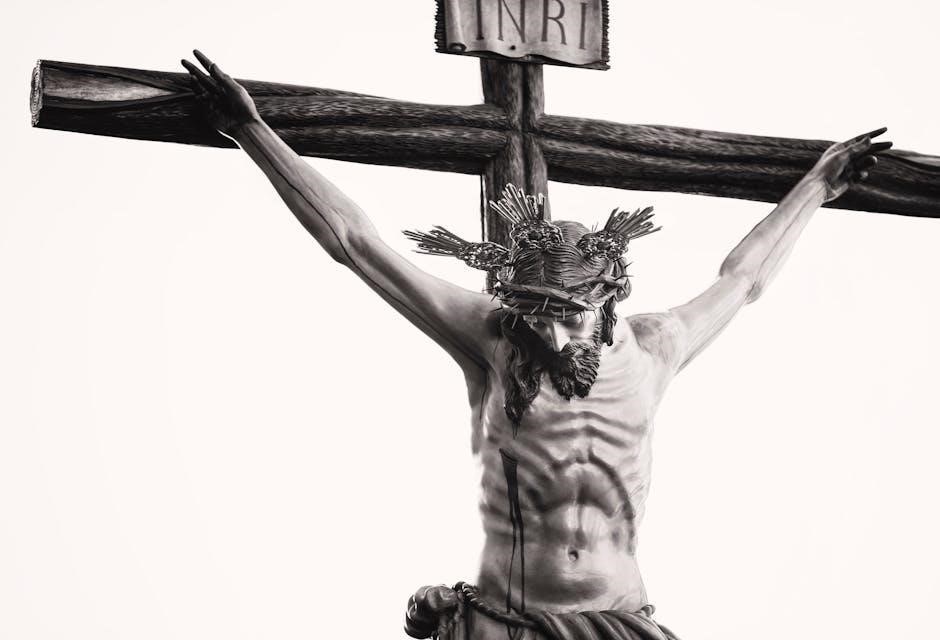
Trial 3: Before the Sanhedrin
PDF resources detail the Sanhedrin’s attempt to legitimize Jesus’ condemnation, despite glaring procedural flaws and reliance on fabricated testimonies against Him․
The Sanhedrin’s Composition
PDF analyses reveal the Sanhedrin, Judaism’s supreme court, comprised seventy-one members: primarily Sadducees, with a smaller number of Pharisees․ This composition heavily influenced the trial’s outcome, as the Sadducees opposed Jesus’ teachings and authority․
The Sanhedrin lacked full legal authority under Roman rule, yet proceeded with the trial, demonstrating their eagerness to eliminate Jesus․ Scholarly PDFs emphasize the political motivations of key members like Caiaphas, the High Priest, who sought to maintain power and appease Roman authorities․
Their internal divisions and biases rendered a fair trial impossible, as evidenced by the rushed proceedings and coerced testimonies documented in various PDF resources․
Jesus’ Defense and Silence
PDF studies of the trials highlight Jesus’ largely silent defense before the Sanhedrin․ While questioned extensively, He offered minimal response, strategically choosing silence over engaging with biased accusations․ This silence, analyzed in numerous PDF commentaries, wasn’t indicative of guilt but a fulfillment of prophecy and a demonstration of His divine authority․
Scholars note that a robust defense would have been futile given the Sanhedrin’s predetermined verdict․ PDFs detail how Jesus’ few responses, particularly His claim to be the Son of God, were twisted and used against Him․
His dignified silence contrasted sharply with the aggressive tactics of His accusers․
Formal Accusation of Blasphemy
PDF analyses of the Sanhedrin trial reveal the central charge leveled against Jesus: blasphemy․ This accusation stemmed from His response to the High Priest’s direct question, “Are you the Christ, the Son of the Living God?” (Matthew 26:63)․ PDF resources emphasize that acknowledging His messianic identity was considered a profound claim of divinity, a direct challenge to Jewish religious authority․
The Sanhedrin, according to PDF interpretations, viewed this as an unforgivable offense, warranting the death penalty under Jewish law․
However, PDFs also point out the legal inconsistencies surrounding this charge․
Trial 4: Before Pilate
PDFs detail Pilate’s reluctance to condemn Jesus, despite pressure from Jewish leaders who accused Him of sedition—a threat to Roman authority․
Pilate questioned Jesus, finding no grounds for execution․
Pilate’s Reluctance
Numerous PDF analyses of the trials emphasize Pilate’s clear hesitation and internal conflict regarding Jesus’ fate․ He recognized Jesus’ innocence, questioning Him directly and receiving no confirmation of the sedition charges leveled by the Sanhedrin․
Pilate attempted to avoid responsibility, seeking to transfer jurisdiction or provoke a response that would absolve him of guilt․ He offered the Jewish leaders the opportunity to judge Jesus according to their own law, but they insisted on Roman execution․
The PDFs highlight Pilate’s wife’s dream, warning him against involvement with “this righteous man,” further demonstrating his internal struggle and awareness of Jesus’ blamelessness․ His eventual concession to the crowd was a politically motivated decision, not a conviction of guilt․
The Charge of Sedition
PDF resources detailing the trials reveal the central accusation against Jesus before Pilate was not blasphemy – a religious offense – but sedition, a political crime against Rome․ The Jewish leaders framed Jesus as claiming to be “King of the Jews,” a direct challenge to Caesar’s authority․
This charge was strategically crafted to compel Pilate, as a Roman governor, to act decisively․ It exploited Pilate’s fear of unrest and potential accusations of disloyalty to the Emperor․
However, PDFs demonstrate the weakness of this claim; Jesus consistently denied any intention to incite rebellion, emphasizing His spiritual kingdom, not a political one․ The sedition charge was a fabricated pretext for securing His execution․
Pilate’s Attempt to Avoid Responsibility
PDF analyses of the trials consistently highlight Pilate’s evident reluctance to condemn Jesus, recognizing His innocence․ Faced with the sedition charge, Pilate attempted several maneuvers to evade responsibility for a potentially unjust decision․ He first sent Jesus to Herod, hoping to shift the burden of judgment․
Subsequently, Pilate proposed alternatives – releasing Jesus during Passover, a customary pardon – and even offered the crowd a choice between Jesus and Barabbas, a known criminal․
These actions, detailed in numerous PDFs, demonstrate Pilate’s prioritization of political expediency over justice, ultimately succumbing to the pressure of the crowd to avoid a riot․
Trial 5: Before Herod
PDF resources reveal Herod’s curiosity about Jesus, seeking a miraculous sign, but ultimately dismissing Him with mockery due to a lack of evidence․
Herod’s Curiosity and Mockery
PDF analyses of the trials demonstrate Herod’s detached interest, hoping to witness a miracle that would alleviate his boredom rather than seeking justice․ He questioned Jesus, but the Gospels record Jesus’ silence in response, frustrating Herod’s expectations․
This lack of a dramatic display led Herod to dismiss Jesus as insignificant, and he, along with his soldiers, openly mocked and ridiculed Him, treating Him with contempt․ Herod’s actions weren’t motivated by legal concerns but by personal amusement and a desire for entertainment․
Ultimately, Herod sent Jesus back to Pilate, effectively abdicating responsibility and demonstrating his indifference to the charges against Him, as detailed in scholarly PDFs․
Lack of Evidence and Dismissal
PDF resources examining the trials consistently highlight the complete absence of credible evidence presented against Jesus before Herod․ The accusations were largely based on vague claims of sedition and challenging Herod’s authority, lacking concrete proof․
Herod’s questioning failed to elicit any incriminating statements from Jesus, further solidifying the lack of a legitimate case․ Recognizing the baselessness of the charges, Herod dismissed Jesus, deeming Him unworthy of punishment․
This dismissal, however, wasn’t an affirmation of innocence but rather a reflection of Herod’s disinterest and the flimsy nature of the accusations, as meticulously documented in trial analyses․
Return to Pilate
Following Herod’s dismissal, Jesus was returned to Pilate, the Roman prefect, as detailed in numerous PDF analyses of the trials․ This transfer underscored the Jewish authorities’ inability to secure a conviction under their own legal system, necessitating Roman intervention․
Pilate, already reluctant to condemn Jesus due to a lack of compelling evidence, found himself in a politically precarious position․ The Jewish leaders intensified their pressure, exploiting Pilate’s fear of unrest and potential repercussions from Rome․
The return to Pilate marked a critical escalation, setting the stage for the final, tragic decision that would lead to Jesus’ crucifixion, as explored extensively in scholarly PDFs․

Trial 6: Before Pilate (Second Time)
PDF resources detail Pilate’s final, yielding decision, driven by the crowd’s demand for Barabbas and the threat of rebellion, ultimately ordering Jesus’ scourging and crucifixion․
Pilate’s Final Decision
PDF analyses of the trials reveal Pilate’s agonizing internal conflict, acknowledging Jesus’ innocence yet succumbing to political pressure and the escalating demands of the Jewish leaders․ He attempts a final plea, offering the crowd a choice between Jesus and Barabbas, a known criminal․
However, incited by the chief priests, the crowd vehemently chooses Barabbas, sealing Jesus’ fate․ Detailed accounts within these PDFs emphasize Pilate washing his hands, symbolically disclaiming responsibility, but ultimately authorizing the crucifixion․
This decision, documented extensively, demonstrates a tragic failure of justice and highlights the immense pressure Pilate faced, prioritizing political stability over moral conviction, as explored in scholarly PDFs․
The Demand for Barabbas
PDF resources detailing the trials emphasize the orchestrated nature of the crowd’s demand for Barabbas’ release․ The chief priests and elders skillfully manipulated public sentiment, presenting Barabbas, a convicted murderer, as a preferable alternative to Jesus․
This calculated move, thoroughly analyzed in scholarly PDFs, exploited a custom allowing the release of one prisoner during Passover․ The crowd, swayed by the religious leaders’ influence, overwhelmingly chose Barabbas, effectively condemning Jesus․
PDFs reveal this demand wasn’t a spontaneous act, but a pre-planned strategy to force Pilate’s hand and ensure Jesus’ crucifixion, showcasing the depth of opposition against Him․
The Scourging and Crucifixion Order
PDF analyses of the trials meticulously document Pilate’s reluctant yet ultimate decision to order Jesus’ scourging and crucifixion․ Despite finding no legal basis for condemnation, Pilate yielded to the relentless pressure from the Jewish leaders and the agitated mob․
Detailed accounts within these PDFs describe the brutal Roman practice of scourging, a horrific prelude to crucifixion intended to appease the crowd․
Pilate’s order, as presented in scholarly PDFs, represents a tragic miscarriage of justice, highlighting his prioritization of political expediency over truth and righteousness, sealing Jesus’ fate on the cross․
Legal Irregularities in the Trials
PDFs reveal numerous legal flaws: night trials violating Jewish law, lack of defense for Jesus, coerced testimonies, and false accusations—all contributing to an unjust outcome․
Night Trials and Jewish Law
Numerous PDFs detailing the trials emphasize the illegality of conducting judicial proceedings at night under Jewish law․ The Sanhedrin, the Jewish high court, was explicitly prohibited from trying capital cases after dark, a rule consistently disregarded during Jesus’s trials․
Specifically, the initial questioning by Annas and the subsequent trial before Caiaphas both occurred during the night, violating established legal protocols․ This deliberate disregard for due process aimed to prevent public scrutiny and expedite a predetermined verdict․
Scholarly analyses within these PDFs argue that these night trials were a clear attempt to circumvent legal safeguards and manipulate the outcome, highlighting the injustice inherent in the proceedings against Jesus․
Lack of Proper Defense
PDF analyses of the six trials consistently point to the denial of Jesus’s fundamental right to a proper defense․ Throughout the proceedings, He was not afforded adequate opportunity to confront witnesses or present a meaningful rebuttal to the accusations leveled against Him․
The Sanhedrin’s questioning was largely accusatory, focusing on eliciting incriminating statements rather than establishing factual evidence․ Jesus’s attempts to respond were often ignored or dismissed, effectively silencing His voice․
These documents demonstrate a clear pattern of injustice, where the proceedings were designed to secure a conviction rather than ascertain the truth, violating basic principles of fairness and legal representation․
Coerced Testimony and False Accusations
PDF examinations of the trials reveal a disturbing reliance on coerced testimony and fabricated accusations against Jesus․ Witnesses were actively sought who would present damaging statements, regardless of their veracity, highlighting a predetermined outcome․
The accounts detail how testimonies were contradictory and lacked credible evidence, yet were presented as factual within the proceedings․ Pressure was likely applied to witnesses to align their narratives with the desired narrative of the religious authorities․
These documents underscore a deliberate attempt to manipulate the legal process through false claims, demonstrating a profound disregard for truth and justice in the pursuit of condemning Jesus․

Prophecies Fulfilled in the Trials
PDF studies demonstrate how Jesus’ trials meticulously fulfilled Old Testament prophecies, like Isaiah 53 and Psalm 22, detailing suffering and unjust treatment․
Isaiah 53 and the Suffering Servant
Detailed PDF analyses reveal striking parallels between the trials of Jesus and Isaiah 53’s depiction of the Suffering Servant․ This prophetic passage foretold unjust accusations, a lack of defense, and suffering inflicted upon an innocent individual – mirroring Jesus’ experience before the Sanhedrin and Pilate․
The text describes a figure “despised and rejected by mankind,” accurately reflecting the scorn and mockery Jesus endured during his interrogations․ Furthermore, Isaiah 53 speaks of bearing the sins of others, a central tenet of Christian theology directly linked to Jesus’ sacrificial death following these trials․
PDF resources emphasize how the prophet’s words concerning vicarious suffering and ultimate vindication were powerfully fulfilled through the events surrounding Jesus’ condemnation․
Psalm 22 and the Mockery and Suffering
PDF studies demonstrate a profound connection between Psalm 22 and the agonizing details of Jesus’ trials and crucifixion․ The psalm’s opening verse, “My God, my God, why have you forsaken me?” echoes Jesus’ cry from the cross, a direct fulfillment of prophecy․
Furthermore, Psalm 22 vividly portrays the mockery and derision Jesus faced – specifically, the taunting about relying on God, mirroring the scorn of his accusers during the trials before Caiaphas and Pilate․
PDF resources highlight the psalm’s depiction of physical suffering, including piercing of hands and feet, aligning with the manner of Jesus’ crucifixion, solidifying its prophetic relevance․
Theological Significance of the Trials
PDF analyses reveal the trials underscore Jesus’ innocence, sacrificial love, and obedience to God’s plan for salvation, fulfilling ancient prophecies and redeeming humanity․
Jesus’ Innocence and Sacrifice
Numerous PDF resources meticulously detail how the trials consistently demonstrate Jesus’ complete innocence of any capital crime, both under Jewish and Roman law․ Despite relentless questioning and fabricated testimonies, no legitimate evidence of wrongdoing was presented․
The accounts highlight a deliberate pursuit of condemnation, fueled by religious animosity and political maneuvering․ Jesus willingly embraced this unjust suffering as a sacrificial act, fulfilling prophetic scriptures concerning the Messiah’s atoning death․
His silence during much of the interrogation, and acceptance of his fate, underscore his voluntary submission to God’s will, offering himself as the ultimate sacrifice for humanity’s sins, a central tenet explored within these PDF studies․
The Fulfillment of God’s Plan
PDF analyses of the trials reveal a remarkable alignment with Old Testament prophecies, demonstrating the preordained nature of Jesus’ suffering and death․ Acts 2:23 explicitly states the events were “foreordained” by God’s plan and foreknowledge․
The meticulous sequence of trials, the false accusations, and the ultimate crucifixion all correspond to detailed predictions found in scriptures like Isaiah 53 and Psalm 22, as explored in numerous PDF commentaries․
These resources emphasize that the trials weren’t random occurrences, but rather integral components of God’s redemptive plan, culminating in the sacrifice that offers salvation to all who believe, a theme consistently reinforced within these PDF studies․
The Implications for Salvation
PDF resources detailing the six trials underscore that Jesus’ unjust condemnation and sacrificial death are foundational to Christian salvation․ His innocence, highlighted in these analyses, emphasizes the depth of God’s love and the gravity of human sin․
Through His suffering, as documented and explained in these PDFs, Jesus bore the penalty for humanity’s transgressions, offering a path to reconciliation with God․ This act of atonement, central to Christian theology, is directly linked to the events of the trials․
These studies demonstrate that belief in Jesus’ sacrifice, made possible by the trials, is the key to receiving eternal life and experiencing God’s grace, a message consistently conveyed within these PDF materials․