
Understanding Trochanteric Bursitis
Trochanteric bursitis frequently arises from muscle imbalances or tightness—specifically in the glutes, IT band, hip flexors, and outer-hip stabilizers—often due to repetitive movements.
Microtraumas from activities like running, or direct injury, can also contribute to inflammation and pain around the hip joint, requiring careful management.
What is Trochanteric Bursitis?
Trochanteric bursitis is a painful condition affecting the bursa, a fluid-filled sac, located on the outside of the hip. This bursa cushions the greater trochanter, the bony prominence of the hip, reducing friction between tendons and bone. When inflamed, this bursa causes pain, often radiating down the outer thigh.
The condition typically develops from repetitive motions or prolonged pressure on the hip, common in runners or individuals with muscle imbalances. It’s not arthritis, but can mimic its symptoms. Effective management often involves a combination of stretching, strengthening exercises, and pain control strategies, guided by a physician. Understanding the root cause—muscle tightness or imbalance—is crucial for targeted treatment and preventing recurrence.
A tailored exercise program is key to recovery.
Causes of Trochanteric Bursitis
Trochanteric bursitis often stems from repetitive microtraumas, particularly during activities like running or consistent exercise routines. A significant injury, such as a fall directly onto the hip, can also trigger inflammation of the bursa.
However, underlying muscle imbalances are frequently a primary contributor. Tightness in the iliotibial (IT) band, weak gluteal muscles, and inflexible hip flexors can place excessive stress on the greater trochanter. These imbalances alter biomechanics, leading to friction and bursa irritation. Poor posture or leg length discrepancies can exacerbate the problem. Addressing these contributing factors through targeted exercises and stretches is vital for long-term relief and preventing flare-ups.
Individual anatomy also plays a role.
Symptoms of Trochanteric Bursitis
The hallmark symptom of trochanteric bursitis is pain on the outside of the hip, often radiating down the thigh. This pain typically worsens with activities like walking, running, climbing stairs, or lying on the affected side. Initially, it may be a mild ache, but it can progress to a sharp, burning sensation.
Stiffness in the hip joint is common, particularly in the morning or after periods of inactivity. Individuals may experience tenderness to the touch over the greater trochanter—the bony prominence on the outer hip. Pain can sometimes be mistaken for sciatica, as it can affect surrounding tissues. The intensity of symptoms varies, and flare-ups can occur with increased activity.
Accurate diagnosis is crucial.

Initial Management & Pain Control
Early steps involve pain management with NSAIDs and modifying activity levels. A pain scale (0-10) guides exercise intensity, aiming to stay below a 4-5 level.
Pain Scale & Exercise Intensity (0-10)
Utilizing a pain scale, ranging from 0 to 10 – where 0 signifies no pain and 10 represents the worst imaginable pain – is crucial for gauging appropriate exercise intensity. When initiating exercises for trochanteric bursitis, the goal is to maintain a pain level at or below 4-5.
This ensures you’re challenging the muscles without exacerbating inflammation or causing significant discomfort. Any increase in pain during exercise should ideally subside within 30 minutes post-activity.
If pain persists beyond this timeframe, it indicates the exercise was likely too strenuous and requires modification or temporary cessation. Consistent monitoring of your pain levels allows for a personalized and progressive approach to rehabilitation, minimizing flare-ups and maximizing recovery.
NSAIDs and Medication
Non-steroidal anti-inflammatory drugs (NSAIDs) often form a key component of initial trochanteric bursitis treatment, helping to manage pain and reduce inflammation. These medications can provide symptomatic relief, allowing for greater comfort during exercise and physical therapy.
However, it’s vital to remember that NSAIDs address the symptoms rather than the underlying cause of the bursitis. Therefore, they should be used in conjunction with a comprehensive rehabilitation program, including targeted stretching and strengthening exercises.
Always consult with your physician regarding appropriate NSAID dosage and potential side effects. Medication, alongside exercise, offers a multi-faceted approach to recovery, promoting long-term hip health and function.
Stretching Exercises for Relief
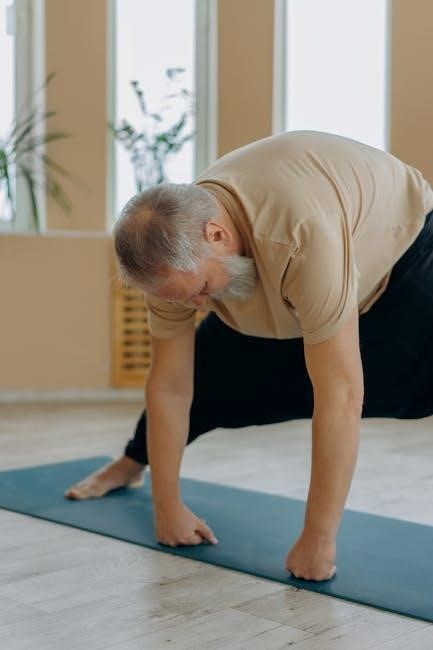
Targeted stretching of the IT band, hip flexors, and gluteal muscles is crucial for addressing tightness and restoring proper biomechanics around the hip joint.
Iliotibial (IT) Band Stretches
Addressing IT band tightness is vital for relieving trochanteric bursitis pain. The Standing IT Band Stretch involves crossing one leg behind the other, then leaning towards the side opposite the rear leg, feeling a stretch along the outer thigh.
Alternatively, Foam Rolling can effectively release tension in the IT band. Gently roll along the outside of the thigh, from hip to knee, pausing on tender spots.
Consistent application of these stretches, performed slowly and controlled, can significantly reduce discomfort. Remember to maintain a pain level of 4-5 out of 10, ensuring any discomfort subsides within 30 minutes post-exercise. Avoid aggressive stretching that exacerbates pain.
Standing IT Band Stretch
To perform the Standing IT Band Stretch, begin by standing with feet shoulder-width apart. Cross your affected leg behind the other, creating a slight crossover. Gently lean towards the side opposite the leg that’s crossed behind, reaching with your arm overhead on that same side.
You should feel a stretch along the outside of your hip and thigh – this is the IT band. Hold this position for approximately 30 seconds, breathing deeply. Repeat 2-3 times on each side.
Ensure the stretch isn’t causing sharp pain; a mild to moderate sensation is acceptable. Maintain a pain scale of 4-5/10, and stop if discomfort increases beyond that level.
Foam Rolling for IT Band
Foam rolling the IT band can help release tension and improve flexibility. Lie on your side with the foam roller positioned under your outer thigh, just above the knee. Support your body weight with your forearm and top leg.
Slowly roll from just above the knee to the upper thigh, pausing on any tender spots for 20-30 seconds. Avoid rolling directly on the bony prominence of the hip. This should be a controlled, gentle movement, not a forceful one.
Maintain a pain level of 4-5/10; any increased discomfort should settle within 30 minutes. Repeat for 1-2 minutes per leg, focusing on areas of tightness.
Hip Flexor Stretches
Tight hip flexors can contribute to trochanteric bursitis, making stretching crucial for recovery. Regularly incorporating hip flexor stretches into your routine can help restore proper biomechanics and reduce strain on the hip joint.
These stretches aim to lengthen the muscles at the front of your hip, improving range of motion and alleviating discomfort. Remember to maintain good posture and control throughout each stretch, avoiding any bouncing or jerky movements.
Listen to your body and stop if you experience sharp pain. Aim for a gentle stretch, keeping your pain level at or below 4-5 on a scale of 0-10.
Kneeling Hip Flexor Stretch
To perform this stretch, kneel on one knee with the other foot flat on the floor in front of you, forming a 90-degree angle. Gently push your hips forward, maintaining a straight back and engaged core. You should feel a stretch in the front of your hip on the kneeling side.
Hold this position for 20-30 seconds, breathing deeply. Avoid arching your lower back; instead, focus on tilting your pelvis slightly forward. This stretch targets the iliopsoas and rectus femoris, common culprits in hip tightness.
Ensure the stretch remains comfortable, staying within a pain level of 4-5 out of 10. Repeat 2-3 times on each side.
Standing Hip Flexor Stretch
Begin by standing tall with feet shoulder-width apart. Step one leg back, keeping the front knee bent at a 90-degree angle; Gently squeeze your glutes on the back leg to enhance the stretch in the hip flexor. Maintain a straight back and avoid leaning forward from the waist.
You should feel a stretch in the front of the hip of the back leg. Hold this position for 20-30 seconds, breathing deeply and consistently. Focus on maintaining good posture throughout the stretch.
Remember to keep the stretch within a comfortable range, aiming for a pain level of 4-5 out of 10. Repeat 2-3 times on each leg.
Gluteal Stretches
Gluteal stretches are crucial for relieving tension that can contribute to trochanteric bursitis. Tight glutes can exacerbate hip pain, so incorporating these stretches into your routine is beneficial. Focus on gentle, controlled movements, avoiding any sharp or intense discomfort.
Two effective stretches include the Piriformis Stretch (seated) and the Supine Glute Stretch. The Piriformis stretch involves sitting with one leg crossed over the other and gently leaning forward. The Supine stretch is performed lying on your back, bringing one knee towards your chest.
Hold each stretch for 20-30 seconds, repeating 2-3 times per side. Maintain a pain level of 4-5 out of 10, and stop if you experience increased discomfort.
Piriformis Stretch (Seated)

The Seated Piriformis Stretch effectively targets the piriformis muscle, a deep gluteal muscle often implicated in trochanteric bursitis. To perform this stretch, sit on a chair with your feet flat on the floor. Cross your affected leg over the opposite knee, forming a figure-four shape.
Gently lean forward from your hips, keeping your back straight, until you feel a stretch in your hip and buttock. Avoid rounding your back or forcing the stretch. You should feel the stretch in the outer hip of the crossed leg.
Hold the stretch for 20-30 seconds, repeating 2-3 times. Ensure your pain level remains at or below a 4-5 on a scale of 0-10. Discontinue if pain increases.
Supine Glute Stretch
The Supine Glute Stretch is a gentle yet effective way to relieve tension in the gluteal muscles, contributing to improved hip mobility and reduced trochanteric bursitis symptoms. Lie on your back with your knees bent and feet flat on the floor.
Cross your affected leg over your opposite knee, creating a figure-four position. Gently pull your uncrossed thigh towards your chest, holding behind the thigh or over the shin. You should feel a stretch in the buttock of the crossed leg.
Maintain a straight back and avoid pulling on the knee. Hold the stretch for 20-30 seconds, repeating 2-3 times. Keep discomfort within a 4-5 on a 0-10 pain scale.
Strengthening Exercises for Support
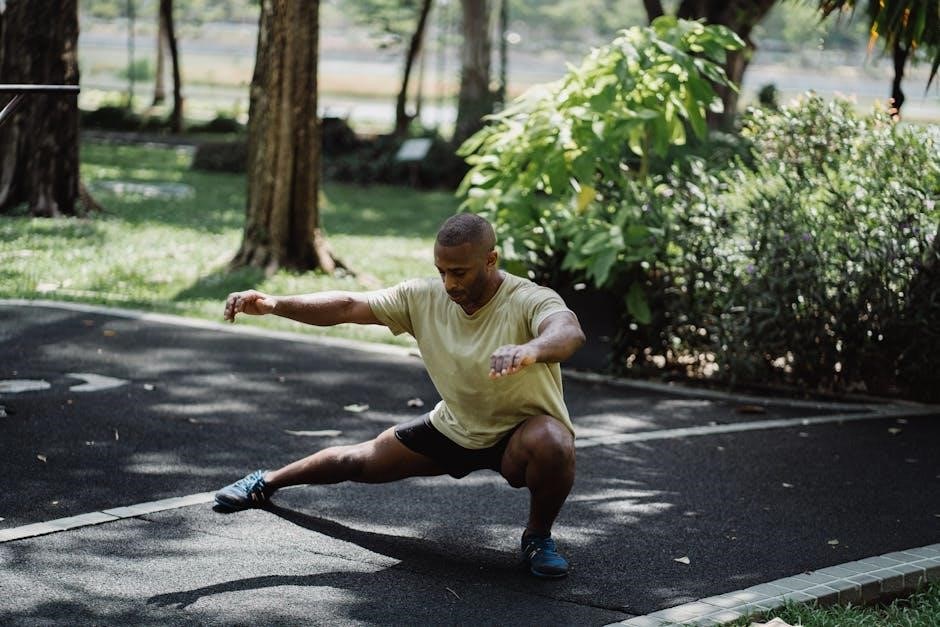
Strengthening the glutes, hip abductors, and stabilizers is crucial for supporting the hip joint and alleviating stress contributing to trochanteric bursitis discomfort.
Glute Strengthening
Gluteal strength is paramount in stabilizing the hip and reducing strain on the trochanteric bursa. Glute Bridges are an excellent starting point; lie on your back with knees bent and lift your hips off the floor, squeezing your glutes at the top.
Focus on controlled movements and avoid arching your back excessively. Side-Lying Leg Raises further isolate the gluteus medius, a key stabilizer. Lie on your side, keeping your leg straight and lift it towards the ceiling, maintaining core engagement.
These exercises help correct muscle imbalances and provide essential support, contributing to long-term relief from trochanteric bursitis symptoms. Remember to listen to your body and stop if you experience pain beyond a 4-5 on a 0-10 scale.
Glute Bridges
Glute Bridges are a foundational exercise for strengthening the gluteal muscles, crucial for hip stability and alleviating trochanteric bursitis pain. Begin by lying on your back with your knees bent and feet flat on the floor, hip-width apart.
Engage your core and squeeze your glutes as you lift your hips off the floor, creating a straight line from your shoulders to your knees. Avoid overextending your back or arching excessively; maintain a neutral spine throughout the movement.
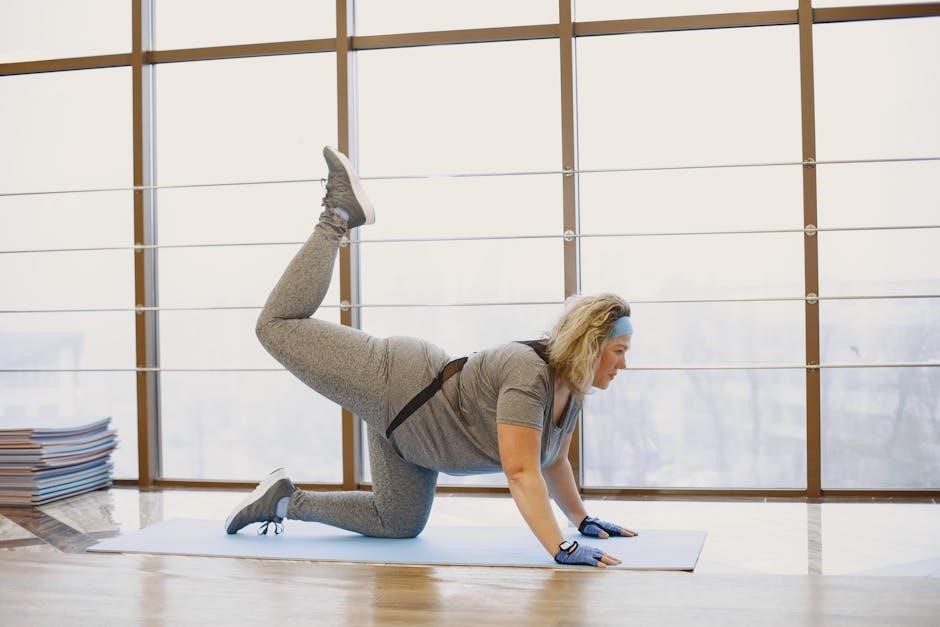
Hold the contracted position briefly, then slowly lower your hips back down. Aim for controlled repetitions, ensuring proper form to maximize effectiveness and minimize risk of exacerbating your condition. Keep pain levels at or below a 4-5 on a 0-10 scale.
Side-Lying Leg Raises
Side-Lying Leg Raises effectively target the hip abductors, vital muscles for stabilizing the pelvis and reducing stress on the trochanteric bursa. Lie on your side with your legs extended and stacked, ensuring your hips remain aligned.
Keep your core engaged to prevent your body from rotating. Slowly lift your top leg towards the ceiling, maintaining a straight knee and controlled movement. Avoid hiking your hip or allowing your leg to rotate inward.
Focus on feeling the contraction in your outer hip muscles. Hold briefly at the top, then slowly lower your leg back to the starting position. Perform repetitions on each side, prioritizing form over speed, and staying within a comfortable pain range (0-4/10).
Hip Abductor Strengthening
Hip abductor strengthening is crucial for stabilizing the pelvis and alleviating pressure on the trochanteric bursa. Weak abductors contribute to imbalances, exacerbating bursitis symptoms. Focus on exercises that specifically target the gluteus medius and minimus, key muscles for hip stability.
Effective exercises include Clamshells and Side Leg Raises. These movements help rebuild strength and endurance in the abductors, improving control during activities. Remember to maintain proper form throughout each exercise, avoiding compensation from other muscle groups.

Start with a manageable number of repetitions and gradually increase the intensity as your strength improves, always staying within a pain-free range (0-4/10). Consistent strengthening is vital for long-term relief.
Clamshells
Clamshells are an excellent, low-impact exercise for strengthening the hip abductors, particularly the gluteus medius. This muscle is vital for stabilizing the pelvis and reducing stress on the trochanteric bursa. To perform, lie on your side with knees bent and feet stacked.
Keeping your feet together, lift your top knee, maintaining a controlled movement. Imagine opening and closing a clamshell. Avoid rotating your hips or lifting your knee too high. Focus on engaging the gluteal muscles throughout the exercise.
Perform 3 sets of 10-15 repetitions, ensuring the movement remains pain-free (aim for a pain level of 0-4/10). This exercise is a foundational component of a rehabilitation program for trochanteric bursitis.
Side Leg Raises
Side leg raises effectively target the hip abductors, crucial for hip stabilization and alleviating pressure on the inflamed bursa. Lie on your side with legs extended and stacked. Keeping your body in a straight line, slowly lift your top leg towards the ceiling, maintaining control.
Avoid rotating your hip or allowing your leg to drift backward. Focus on engaging the outer hip muscles throughout the movement. Lower the leg slowly and with control. This exercise strengthens the muscles responsible for preventing excessive hip movement.
Aim for 3 sets of 10-15 repetitions, ensuring you stay within a comfortable pain range (0-4/10). Proper form is essential to maximize benefits and prevent further irritation.
Hip Stabilizer Exercises
Hip stabilizer exercises are fundamental in addressing trochanteric bursitis, as they restore proper biomechanics and reduce stress on the affected hip. Weakness in these muscles often contributes to the condition’s development.
Focusing on exercises like single leg stance and pelvic tilts helps improve control and alignment. For single leg stance, maintain balance on one leg for 30-60 seconds, gradually increasing duration. Pelvic tilts involve gently rocking the pelvis forward and backward while lying down.
These movements strengthen the deep core and hip muscles, promoting stability. Aim for 3 sets of 10-15 repetitions, prioritizing controlled movements within a pain-free range (0-4/10). Consistency is key for long-term improvement.
Single Leg Stance
Single leg stance is a crucial hip stabilizer exercise for trochanteric bursitis, enhancing balance and strengthening the hip abductors and core. Begin by standing near a stable surface for support if needed.
Slowly lift one foot off the ground, maintaining a slight bend in the standing knee. Focus on keeping your hips level and preventing them from dropping on the lifted leg’s side. Engage your core to maintain stability throughout the exercise.
Hold the position for 30-60 seconds, gradually increasing the duration as your strength improves. Perform 3 sets on each leg. If pain exceeds 4/10, reduce the hold time or use more support.
Pelvic Tilts
Pelvic tilts are gentle exercises that improve core stability and address muscle imbalances contributing to trochanteric bursitis. Lie on your back with your knees bent and feet flat on the floor. Maintain a neutral spine, with a small natural curve in your lower back.
Gently tilt your pelvis backward, flattening your lower back against the floor. Engage your abdominal muscles during this movement. Then, slowly tilt your pelvis forward, increasing the arch in your lower back.
Focus on controlled movements, avoiding any strain or discomfort. Perform 10-15 repetitions for 3 sets. Keep pain levels at or below 4/10; stop if increased discomfort persists beyond 30 minutes.

Exercises to Avoid
Avoid high-impact activities and deep squats/lunges, as these can exacerbate inflammation and pain around the hip, hindering recovery from bursitis.
High-Impact Activities
Engaging in high-impact activities can significantly aggravate trochanteric bursitis, hindering the healing process and potentially leading to increased pain and inflammation. These activities place excessive stress on the hip joint and the surrounding bursae, exacerbating existing irritation.
Examples of activities to temporarily avoid include running, jumping, vigorous hiking, and certain sports that involve repetitive impact. Modifying your exercise routine to prioritize low-impact alternatives is crucial during recovery. Consider swimming, cycling, or walking on even surfaces as gentler options.
Listen to your body; if an activity causes pain, discontinue it immediately. Gradually reintroduce impact as your pain subsides and your hip strength improves, always under the guidance of a healthcare professional.
Deep Squats & Lunges
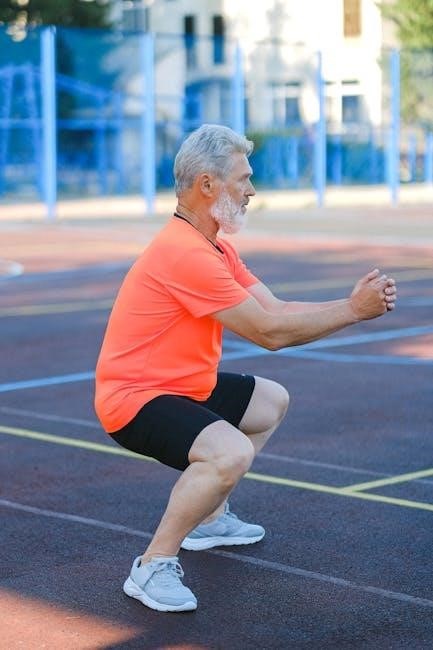
Deep squats and lunges often place considerable stress on the hip joint and the iliotibial (IT) band, potentially worsening trochanteric bursitis symptoms. The deep range of motion can compress the bursa, leading to increased pain and inflammation. These exercises require significant hip flexor and gluteal muscle activation, which can irritate the affected area.
Modifications are essential. If performing squats or lunges, maintain a shallower depth and focus on proper form. Avoid allowing your knee to track over your toes. Consider alternatives like partial squats or step-ups with a lower platform.
Prioritize exercises that strengthen the hip abductors and stabilizers to support the joint. Always listen to your body and discontinue if pain arises.
Important Considerations
Working with a physician is crucial for personalized guidance, while consistently listening to your body and progressing slowly prevents flare-ups and ensures effective recovery.
Working with a Physician
Consulting a physician is paramount before initiating any exercise program for trochanteric bursitis. A medical professional can accurately diagnose the condition, ruling out other potential causes of hip pain, and tailor a treatment plan specifically to your needs.
They can recommend appropriate exercises from a range of options, guiding you on proper form and intensity to avoid exacerbating the inflammation. Experimenting with different exercises under their guidance is key to finding what works best for you.
Your physician can also advise on pain management strategies, including the use of NSAIDs, and monitor your progress, adjusting the exercise regimen as needed. Remember, self-treating can be detrimental; professional oversight is essential for a safe and effective recovery.
Listen to Your Body
Paying attention to your body’s signals is crucial throughout the recovery process. Utilize a pain scale of 0-10, aiming to keep exercise discomfort at or below a 4-5. Any increase in pain should subside within 30 minutes post-exercise; persistent or worsening pain indicates overexertion.
Don’t push through sharp or intense pain. Modify exercises, reduce repetitions, or take a break when needed. Ignoring your body’s limits can lead to flare-ups and hinder progress. Gradual progression is key – increase intensity slowly and cautiously.
Respect your individual pain threshold and adjust your activity level accordingly. Remember, recovery isn’t linear; some days will be better than others. Prioritize rest and self-care to support healing.
Progression & Consistency
Consistent exercise is vital for long-term relief, but progression must be gradual. Begin with a manageable number of repetitions and sets, focusing on proper form. As strength and flexibility improve, slowly increase the intensity or duration of exercises.
Avoid sudden jumps in activity level, as this can re-irritate the bursa. Experiment with different exercises under a physician’s guidance to find what works best for you. Incorporate exercises into a regular routine, aiming for several sessions per week.
Remember, setbacks are normal. Adjust your routine as needed and prioritize consistency over perfection. Maintaining a consistent exercise program supports hip stability and reduces the risk of future flare-ups.