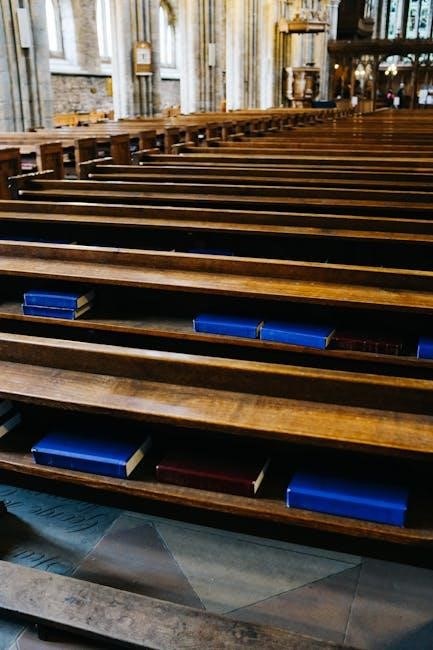
Designing a 300-seat church involves balancing faith‚ function‚ and fellowship. Resources like Church Finder and Missionary Church USA offer guidance‚ while detailed PDFs outline norms and guidelines.
Overview of Design Considerations
Planning a 300-seat church demands careful consideration of several key elements. Accessibility‚ adhering to ADA compliance and local building codes‚ is paramount. Acoustic design is crucial for worship experiences‚ alongside thoughtful lighting and AV system integration.
Furthermore‚ the design must balance sanctuary space with essential areas like fellowship halls‚ classrooms‚ and offices. Utilizing available church design PDF templates and online resources streamlines the process‚ ensuring a functional and inspiring space for the congregation.
Importance of Acoustics in Church Design
Acoustics are vital in a 300-seat church‚ impacting speech intelligibility during sermons and the quality of musical performances. Poor acoustics can hinder worship and create listener fatigue. Careful planning‚ utilizing PDF resources detailing acoustic principles‚ is essential.
Design considerations include minimizing echoes and reverberation‚ selecting appropriate materials‚ and strategically positioning sound systems. A well-designed acoustic environment enhances the overall worship experience for every member of the congregation.
Architectural Styles for a 300-Seat Church
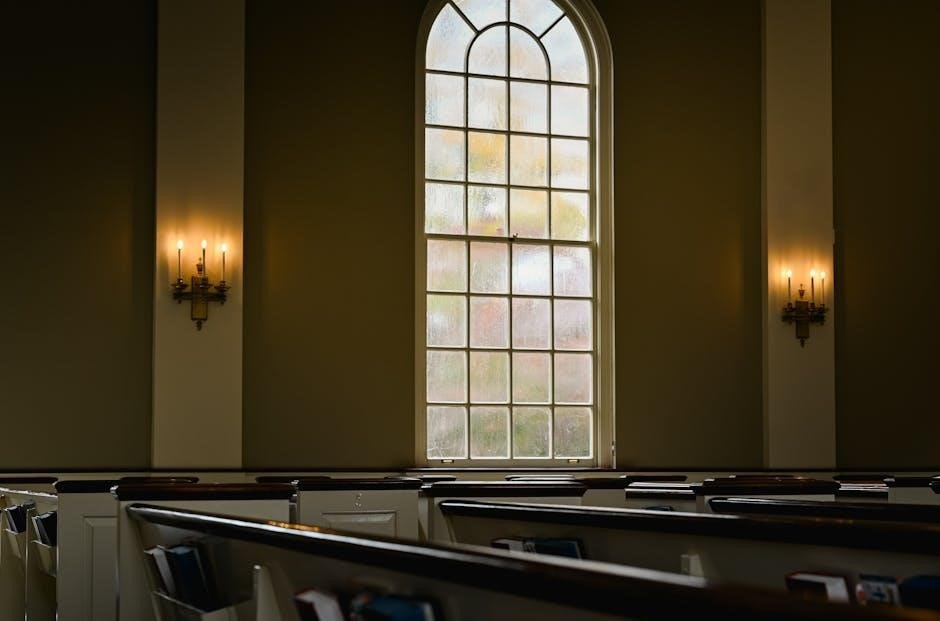
Church architecture ranges from traditional Gothic and Romanesque to modern designs. PDF plans showcase diverse styles‚ influencing aesthetics and community identity.
Traditional Architectural Styles (Gothic‚ Romanesque)
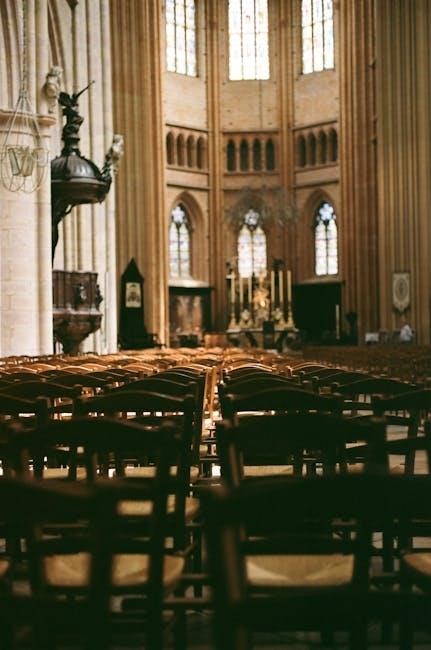
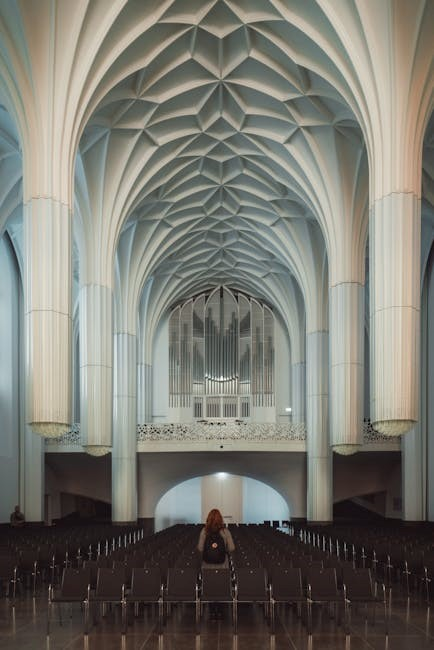
Gothic and Romanesque styles evoke reverence and history. Gothic features pointed arches‚ stained glass‚ and soaring heights‚ while Romanesque emphasizes rounded arches and massive walls. PDF resources detail these styles’ structural requirements for a 300-seat capacity‚ including considerations for acoustics and altar placement. These designs often incorporate symbolic elements‚ fostering a spiritual atmosphere. Careful planning ensures these traditional aesthetics meet modern functional needs‚ balancing beauty with practicality‚ and adhering to building codes.
Modern and Contemporary Church Designs
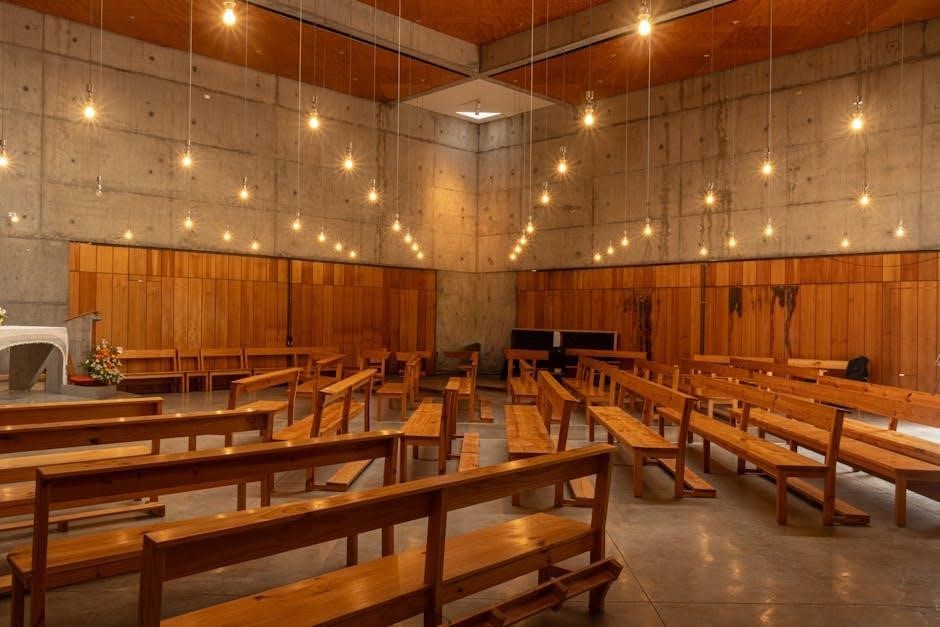
Modern church designs prioritize flexibility and community. Contemporary styles often feature open floor plans‚ clean lines‚ and abundant natural light. PDF plans showcase innovative layouts for a 300-seat sanctuary‚ integrating technology seamlessly. These designs emphasize inclusivity and accessibility‚ aligning with evolving worship practices. Considerations include adaptable spaces for fellowship and ministry‚ alongside efficient AV system integration. Balancing aesthetics with functionality‚ these designs aim to create welcoming and engaging environments for all.
Key Design Elements: Sanctuary & Altar Area
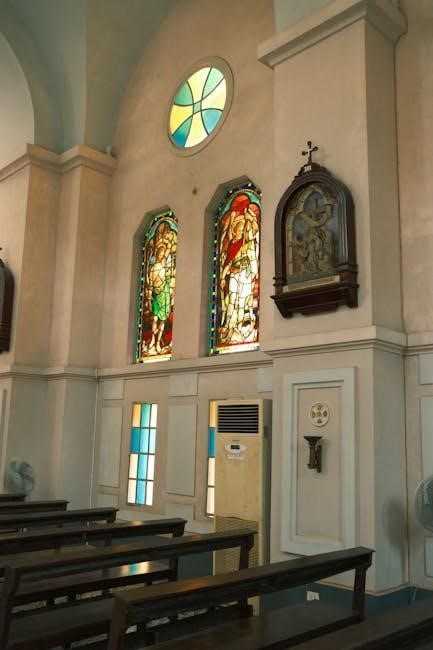
Sanctuary design focuses on altar visibility and optimal seating for 300. PDF resources detail chancel layouts‚ choir space‚ and flow for worship services.
Altar Placement and Visibility
Strategic altar placement is crucial in a 300-seat church‚ ensuring clear visibility from every seat. Design PDFs emphasize focal points and sightlines‚ guiding architects to position the altar for maximum impact during worship. Considerations include the chancel’s depth‚ stage height‚ and potential obstructions. Proper lighting enhances visibility‚ highlighting the sacred space. Accessibility for clergy and assisting ministers is also paramount‚ as detailed in comprehensive church design guidelines available in PDF format.
Seating Arrangement and Capacity (300 Seats)
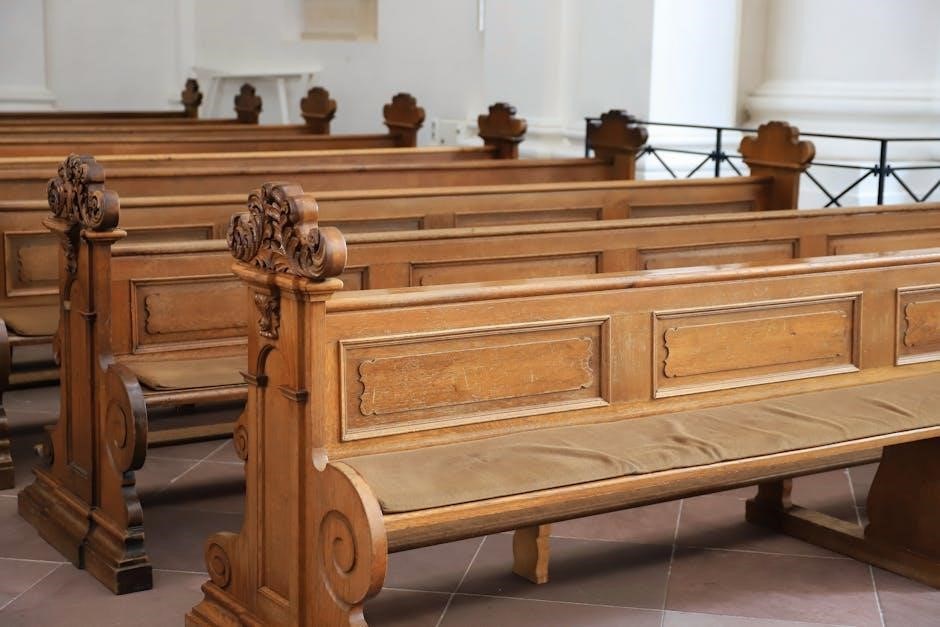
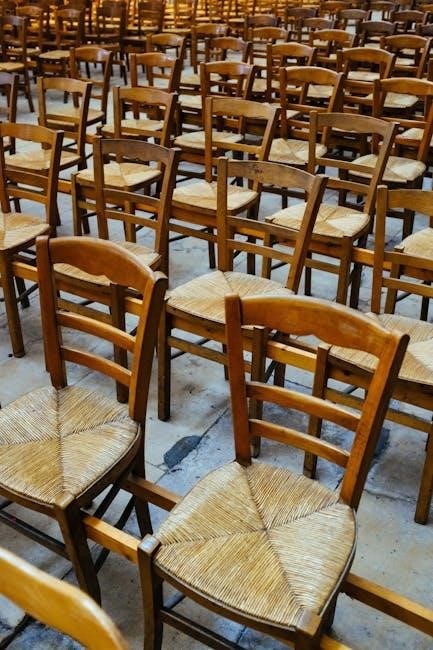
Optimizing seating for 300 people requires careful planning‚ detailed in church design PDFs. Arrangements should balance capacity with comfortable spacing and clear sightlines to the altar. Considerations include pew length‚ aisle width for accessibility‚ and potential for flexible configurations. PDFs often showcase various layouts‚ factoring in wheelchair access and family seating. Efficient use of space‚ guided by building codes‚ ensures a welcoming and functional worship environment for the entire congregation.
Chancel Design and Choir Space
Chancel design‚ detailed in comprehensive church design PDFs‚ centers around altar visibility and liturgical flow. Adequate choir space—often raised—is crucial for musical leadership. PDFs illustrate optimal dimensions‚ considering acoustics and sightlines for both performers and the congregation. Careful planning integrates the chancel seamlessly with the sanctuary‚ fostering a reverent atmosphere. Accessibility standards must be met‚ ensuring inclusivity for all participants in worship services.
Essential Spaces Beyond the Sanctuary
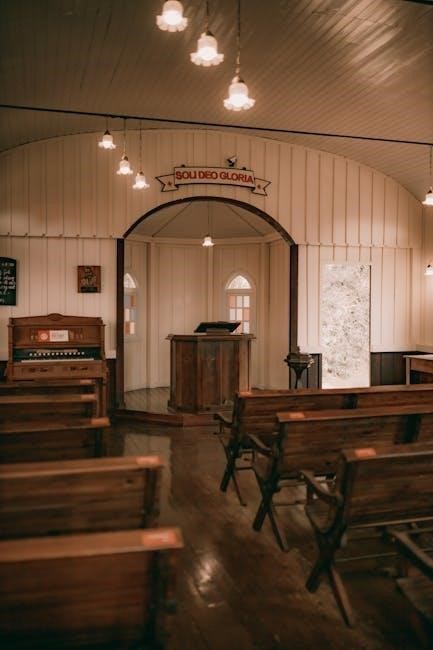
Church design PDFs highlight the need for narthexes‚ fellowship halls with kitchens‚ and classrooms. These spaces foster community and support various church activities.
Narthex and Entryway Design
Narthex design‚ as detailed in church design PDFs‚ serves as a transitional space‚ welcoming congregants and providing areas for greeting and information. It should be spacious enough to accommodate foot traffic‚ especially post-service. Consider incorporating display boards for announcements and a clearly defined entrance.
Accessibility is crucial; ensure ADA compliance with ramps or elevators. The entryway should create a sense of invitation and reflect the church’s aesthetic‚ setting a reverent tone.
Fellowship Hall and Kitchen Facilities
Fellowship halls‚ outlined in comprehensive church design PDFs‚ are vital for community building. They require flexible space adaptable for meals‚ meetings‚ and social events‚ comfortably accommodating a significant portion of the 300-seat capacity.
Kitchen facilities should be commercially equipped‚ adhering to health codes‚ and capable of supporting large-scale food preparation. Efficient layout and durable materials are essential for longevity and ease of use.
Classrooms and Office Space
Church design PDFs frequently detail the necessity of dedicated classrooms for Sunday school‚ bible study‚ and youth groups‚ supporting spiritual growth within the 300-seat congregation. These spaces require acoustic considerations and flexible layouts.
Administrative offices‚ including a pastor’s study and secretary workspace‚ are crucial for efficient church management. Secure storage and welcoming reception areas complete this essential functional zone.
Technical Considerations: Lighting & AV
Church design PDFs emphasize integrating sophisticated audio-visual systems and adaptable lighting to enhance worship experiences within the 300-seat sanctuary’s atmosphere.
Lighting Design for Worship Atmosphere
Effective lighting‚ detailed in church design PDFs‚ is crucial for establishing a reverent and inviting worship space. Considerations include ambient‚ task‚ and accent lighting to highlight architectural features and the altar.
Dimming capabilities are essential for creating varied moods during services‚ while energy-efficient LED fixtures are recommended.
Proper illumination enhances visibility for readings‚ performances‚ and visual elements‚ fostering a deeper connection with the spiritual experience for all 300 attendees.
Audio-Visual System Integration
Seamless AV integration‚ often detailed within comprehensive 300-seat church design PDFs‚ is paramount for modern worship. This includes a professional sound system ensuring clear audio throughout the sanctuary‚ alongside high-resolution projectors and screens for lyrics and visuals.
Consideration should be given to live streaming capabilities and recording options. A user-friendly control system simplifies operation for volunteers‚ enhancing the worship experience for all congregants.
Accessibility and Building Codes
Church design PDFs must address ADA compliance and local building codes‚ ensuring inclusivity and safety for all members and visitors within the 300-seat structure.
ADA Compliance in Church Design
ADA guidelines are crucial when reviewing 300-seat church design PDFs. Accessibility extends beyond ramps; consider accessible restrooms‚ signage with appropriate contrast‚ and designated wheelchair spaces within the sanctuary.
Ensure pathways are wide enough for mobility devices‚ and that audio-visual systems accommodate individuals with hearing impairments. Detailed PDFs should explicitly demonstrate adherence to these standards‚ fostering a welcoming environment for everyone‚ regardless of physical ability. Compliance isn’t just legal; it’s a demonstration of inclusive faith.
Local Building Code Requirements
300-seat church design PDFs must reflect stringent local building codes. These vary significantly by jurisdiction‚ covering fire safety‚ structural integrity‚ and egress routes. Thoroughly research requirements for occupancy classifications‚ emergency exits‚ and required inspections.
PDFs should detail compliance with electrical‚ plumbing‚ and HVAC regulations. Ignoring these codes can lead to project delays and costly revisions. Consulting with local authorities during the design phase‚ alongside detailed PDF documentation‚ is essential for a smooth approval process.
Materials and Construction
Selecting durable‚ aesthetic materials is key. 300-seat church design PDFs detail choices balancing cost-effectiveness with longevity‚ impacting construction methods and overall project budget.
Durable and Aesthetic Material Choices
Choosing materials for a 300-seat church requires balancing beauty‚ longevity‚ and budget. PDF resources on church design often recommend brick‚ stone‚ or concrete for exterior durability. Interior options include wood for warmth‚ stained glass for inspirational light‚ and acoustically sound paneling.
Consider low-maintenance options to reduce long-term costs. Sustainable materials align with stewardship values. Detailed design PDFs will specify material grades and installation guidelines‚ ensuring both aesthetic appeal and structural integrity for generations of worshippers.
Cost-Effective Construction Methods
Constructing a 300-seat church demands smart budgeting. Church design PDFs frequently suggest pre-engineered building systems or modular construction to reduce labor costs and timelines. Value engineering—analyzing materials and methods for optimal cost-benefit—is crucial.
Phased construction allows spreading expenses over time. Utilizing volunteer labor where appropriate‚ and carefully sourcing materials‚ can significantly lower overall project costs. Detailed PDF plans should include a comprehensive cost breakdown for informed decision-making.
Landscaping and Exterior Design
Church landscape design guidelines‚ often found in PDF resources‚ emphasize welcoming spaces. Parking access and site plans are vital for functionality and aesthetics.
Church Landscape Design Guidelines
Effective church landscaping‚ detailed in comprehensive PDF documents‚ prioritizes creating an inviting and reverent atmosphere. Considerations include pedestrian flow‚ accessibility‚ and visual harmony with the architectural style.
Thoughtful plant selection‚ incorporating native species where possible‚ enhances beauty and sustainability. Proper irrigation and maintenance are crucial.
Site plans should clearly delineate parking areas‚ walkways‚ and green spaces‚ ensuring a welcoming exterior that reflects the church’s values and purpose.
Parking and Site Access
Adequate parking‚ often detailed within a PDF site plan‚ is vital for a 300-seat church‚ accommodating members and visitors. Accessibility is paramount‚ adhering to ADA guidelines for designated spaces.
Clear signage and well-defined traffic flow minimize congestion. Consider drop-off zones for elderly or disabled attendees.
Landscaping should enhance‚ not obstruct‚ visibility and safe pedestrian access from parking areas to the church entrance‚ creating a welcoming arrival experience.
Budgeting and Cost Estimation
Cost estimation for a 300-seat church‚ often detailed in a PDF‚ requires careful planning. Fundraising strategies are crucial for project financial viability.
Typical Costs for a 300-Seat Church Build
Estimating costs for a 300-seat church‚ often detailed within a comprehensive PDF design plan‚ varies greatly by location‚ materials‚ and architectural style. Generally‚ expect costs ranging from $300 to $700+ per square foot. This includes construction‚ landscaping‚ and essential AV systems.
Detailed PDF resources often break down expenses into categories like foundation‚ framing‚ roofing‚ interior finishes‚ and mechanical systems. Contingency funds (10-15%) are vital for unforeseen issues. Thorough budgeting‚ guided by professional estimates‚ is paramount for successful project completion.
Fundraising Strategies for Church Projects
Successful fundraising‚ often outlined in a PDF project proposal‚ requires a multifaceted approach. Capital campaigns‚ leveraging member pledges‚ are foundational. Grant applications‚ targeting religious organizations‚ can supplement funding.
Special events – dinners‚ auctions‚ concerts – engage the community. A detailed PDF budget demonstrates financial transparency to potential donors. Online giving platforms expand reach. Consistent communication‚ showcasing project progress‚ fosters continued support and builds momentum towards achieving financial goals.
PDF Resources and Design Plans
Numerous PDF resources detail church design‚ including norms‚ guidelines‚ and as-built plans. These documents aid in visualizing and implementing a 300-seat church project.
Availability of Church Design PDF Templates
Finding pre-designed PDF templates specifically for a 300-seat church can be challenging‚ yet valuable resources exist. While comprehensive‚ ready-made plans are less common‚ documents outlining design norms and guidelines – like those from the Missionary Church USA – are readily available. These PDFs often cover essential elements‚ offering a foundational understanding.
Furthermore‚ exploring architectural websites and contacting church design firms may yield access to sample plans or adaptable templates. Remember to verify compliance with local building codes and ADA requirements when utilizing any downloaded resource.
Utilizing Online Church Design Resources
Leveraging online platforms is crucial for 300-seat church design. Church Finder connects you with potential architects familiar with religious spaces. Exploring denominational websites‚ such as the Missionary Church USA‚ provides insights into design philosophies and standards. Searching for “church design guidelines PDF” yields documents outlining norms.
Additionally‚ architectural firms often showcase project portfolios online‚ offering inspiration; Remember to cross-reference information and consult with professionals for tailored solutions.
Future-Proofing the Design
Adaptability is key; design for growth and evolving needs. Integrate technology now for future use‚ referencing PDF guidelines for scalable systems and flexible spaces.
Adaptability for Growth and Changing Needs
Planning for future expansion is crucial when designing a 300-seat church. Consider modular designs allowing phased additions to fellowship halls or classrooms. PDF resources detailing adaptable spaces are invaluable. Anticipate evolving ministry needs – youth groups‚ community outreach – and incorporate flexible areas.
Prioritize multi-purpose rooms easily converted for diverse functions. Ensure structural capacity for potential upper-level construction. A well-considered design anticipates change‚ avoiding costly renovations later‚ and maximizing long-term utility as outlined in comprehensive church design PDFs.
Technology Integration for Future Use
Future-proofing requires robust infrastructure. Design for seamless audio-visual system upgrades‚ anticipating evolving worship styles and digital outreach. PDF plans should detail conduit pathways for data and power‚ supporting expanded Wi-Fi capabilities and streaming services.
Consider dedicated spaces for media production and online ministry. Prioritize flexible cabling solutions to accommodate new technologies. A forward-thinking design ensures the church remains technologically relevant‚ enhancing engagement and accessibility‚ as detailed in specialized church design PDFs.